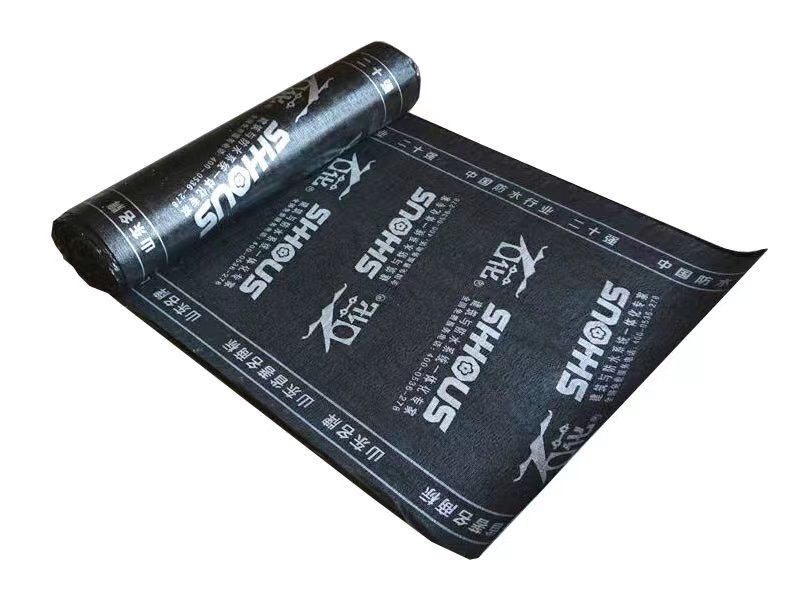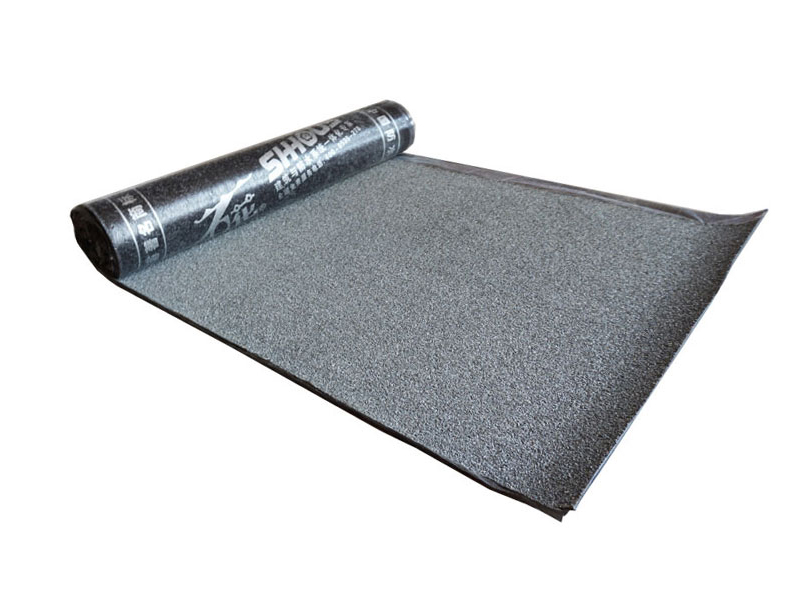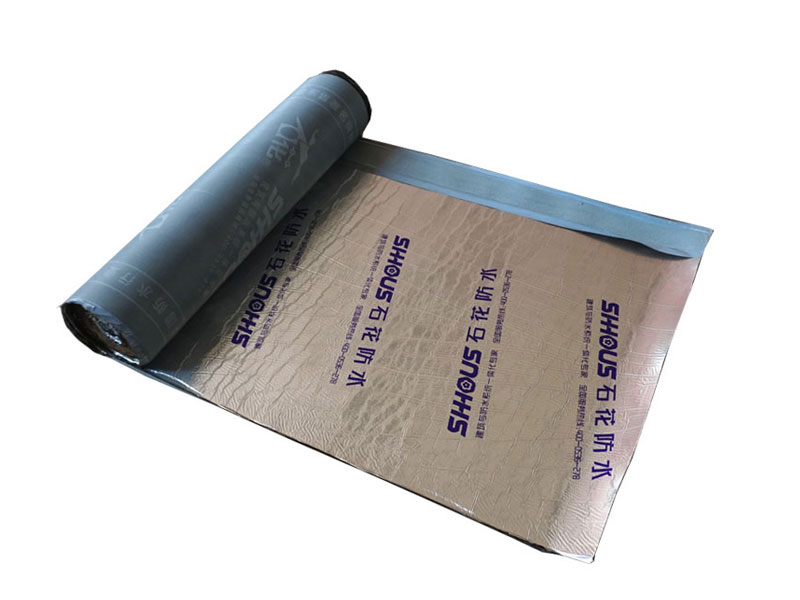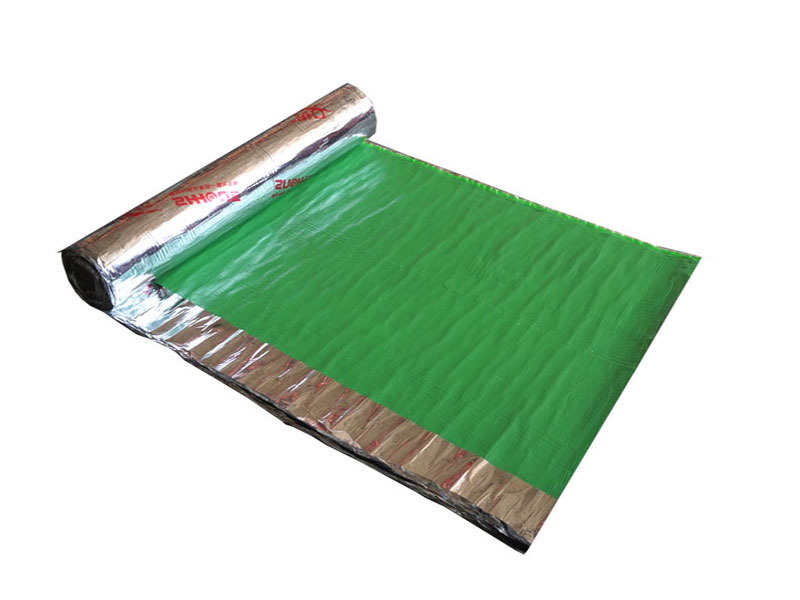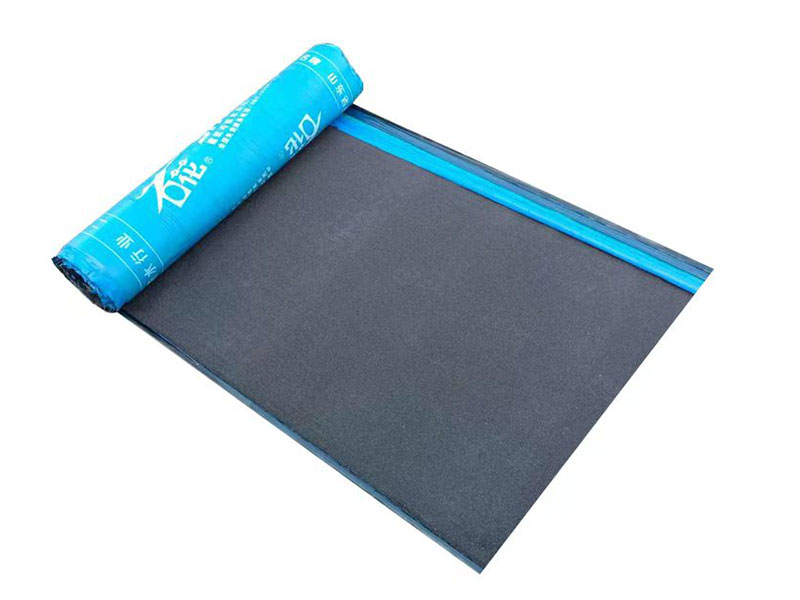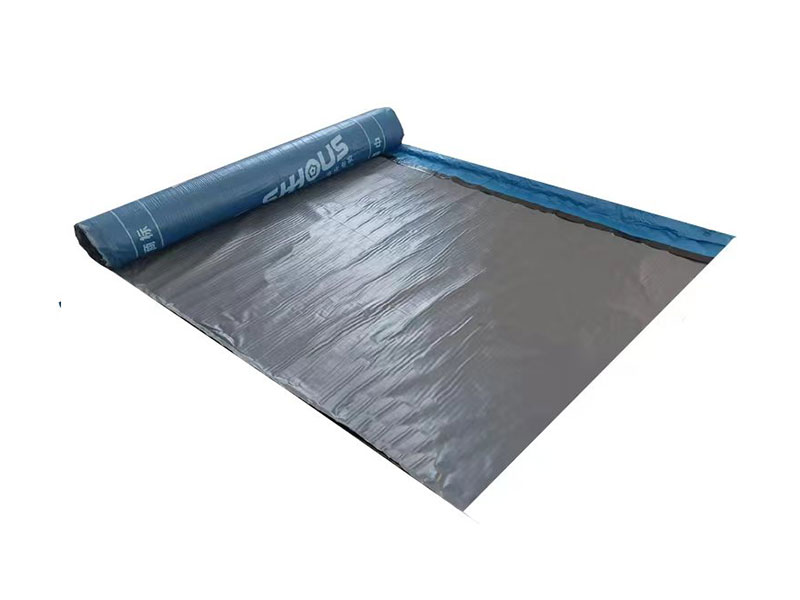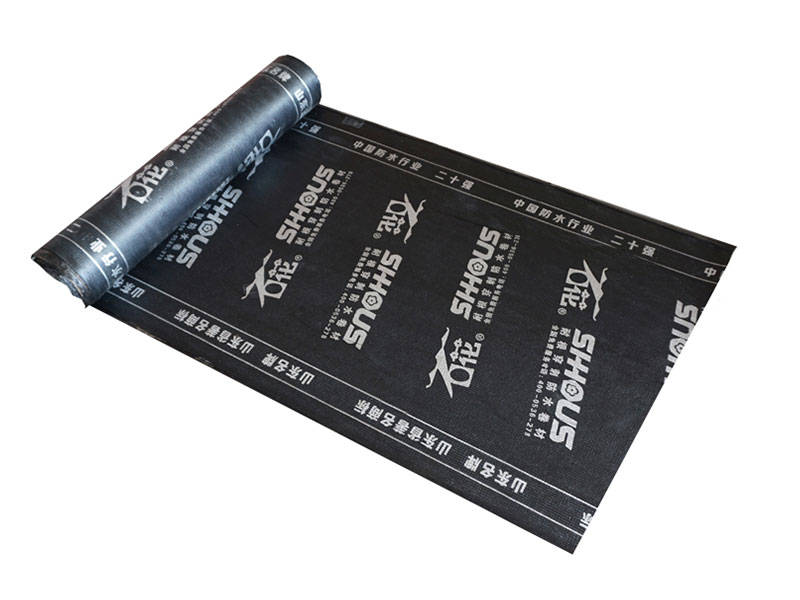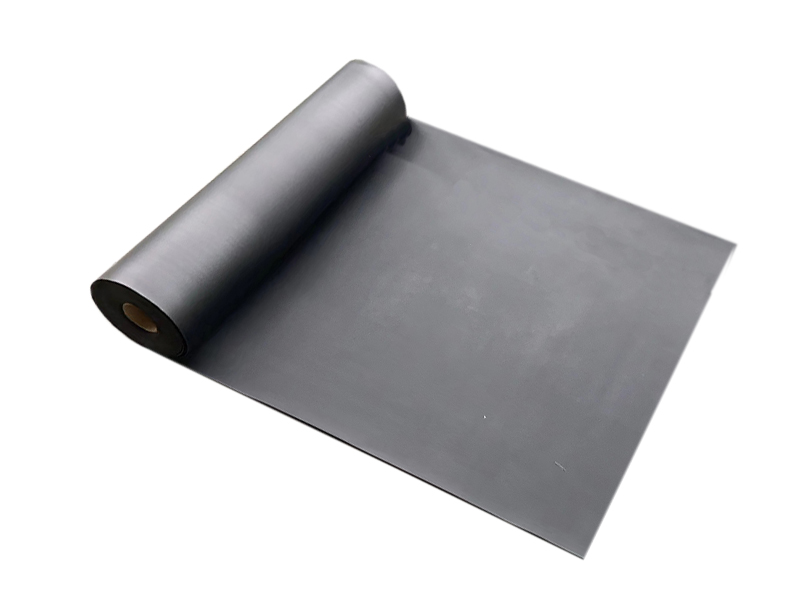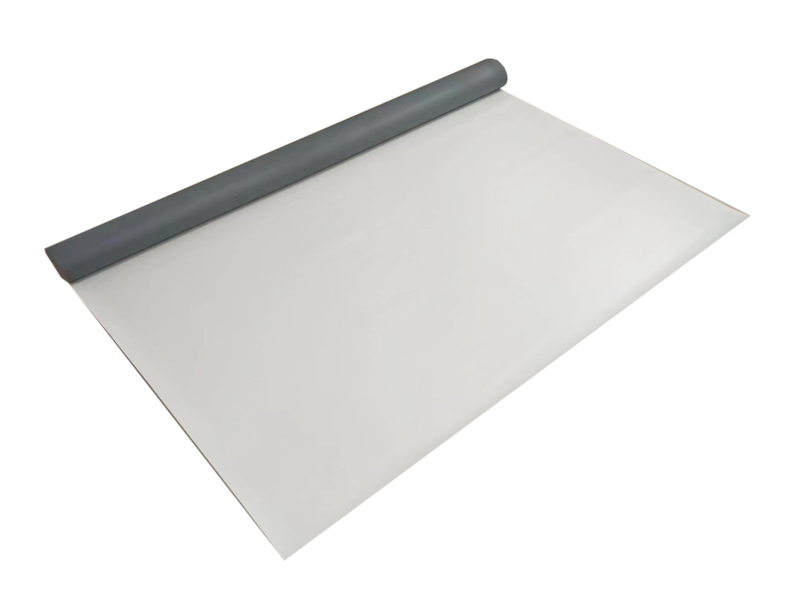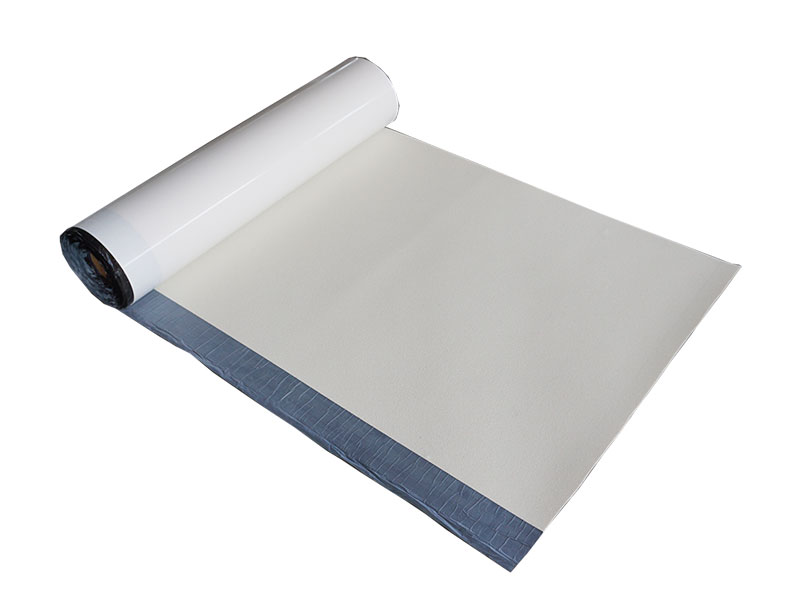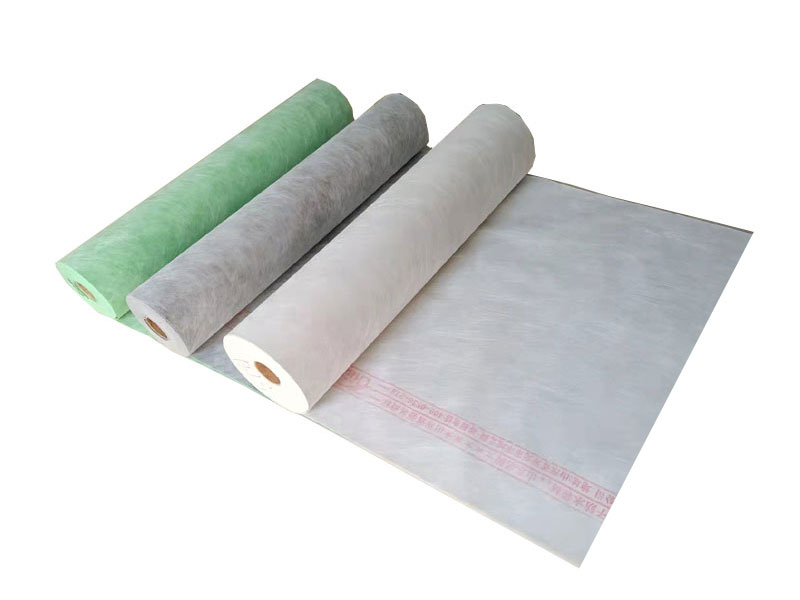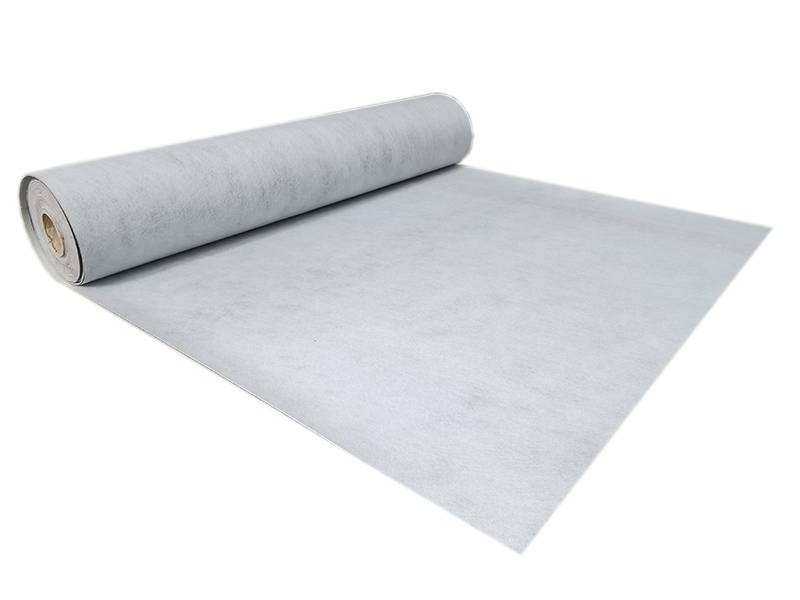

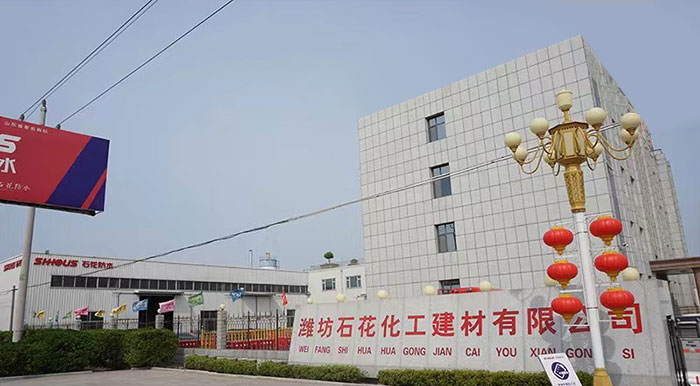
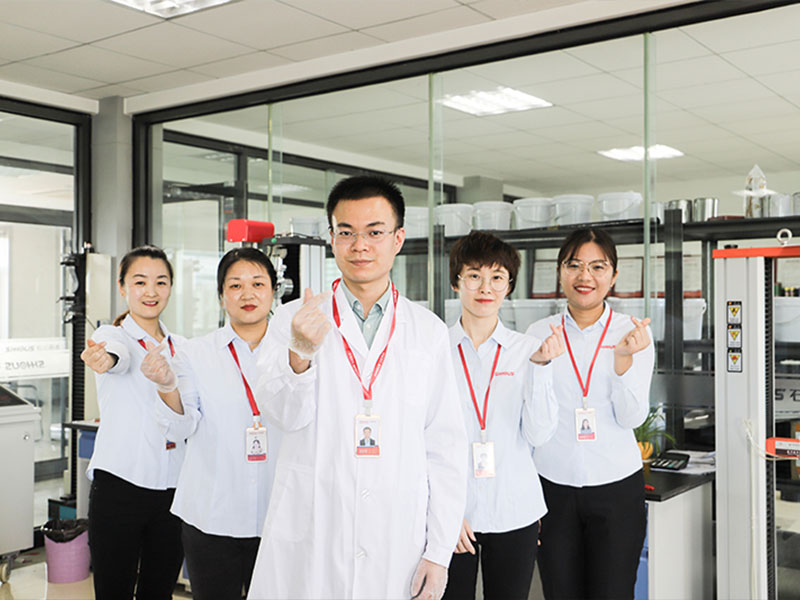
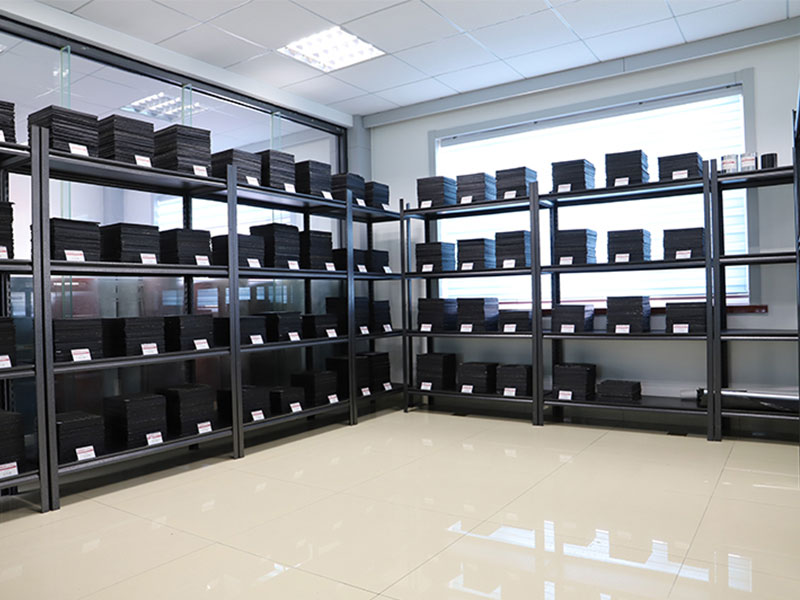
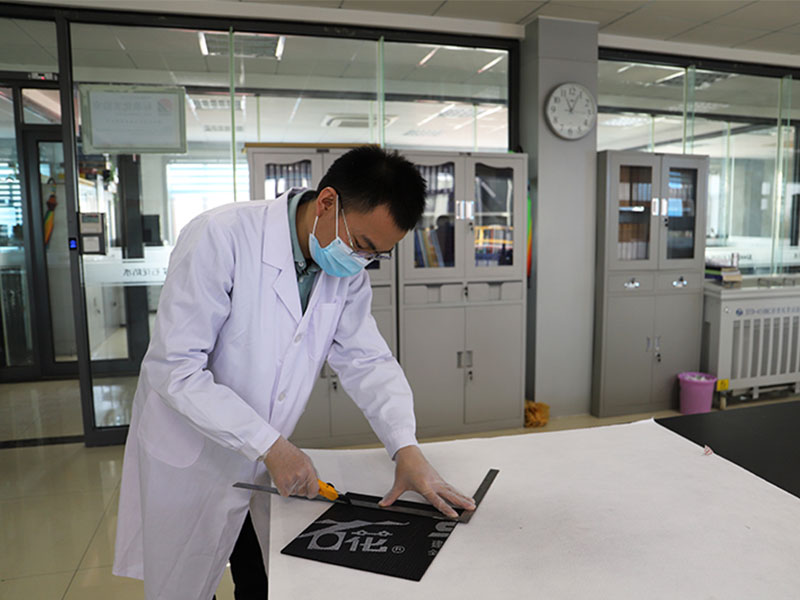
安博官方网站·(中国)责任有限公司,厂区占地面积30000余平方米,主要生产安博官方网站牌聚乙烯丙纶/涤纶防水卷材、非沥青基高分子防水卷材、弹性体/塑性体改性沥青防水卷材、种植屋面用耐根穿刺防水卷材、聚合物改性沥青自粘防水卷材、单/双组分聚氨酯防水涂料、丁基防水胶带等五大系列一百余种产品,拥有高分子防水卷材生产线6条,年产量3500万平方米,现代化高档全自动SBS生产线2条,年产量1000万平方米,是集研发、生产、销售、施工、服务于一体的现代化新型防水材料综合企业。
···
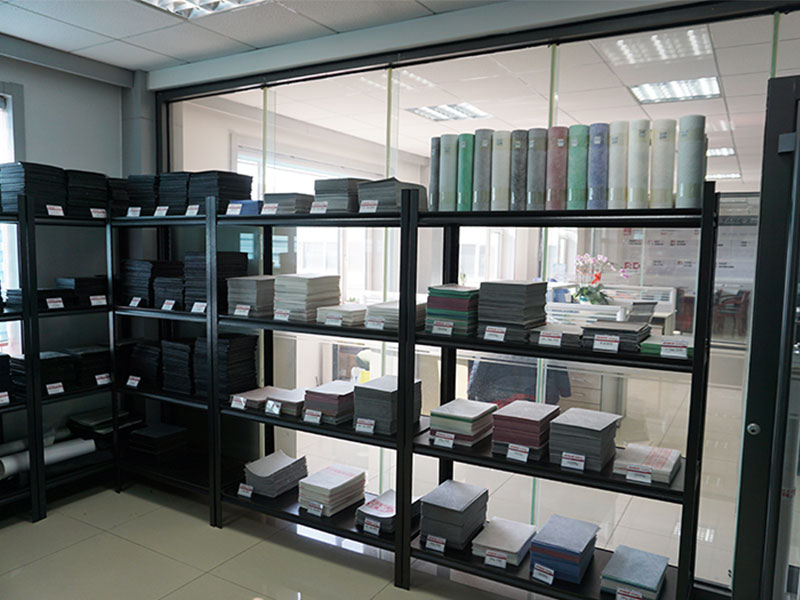




 地下防水 Underground waterproofing
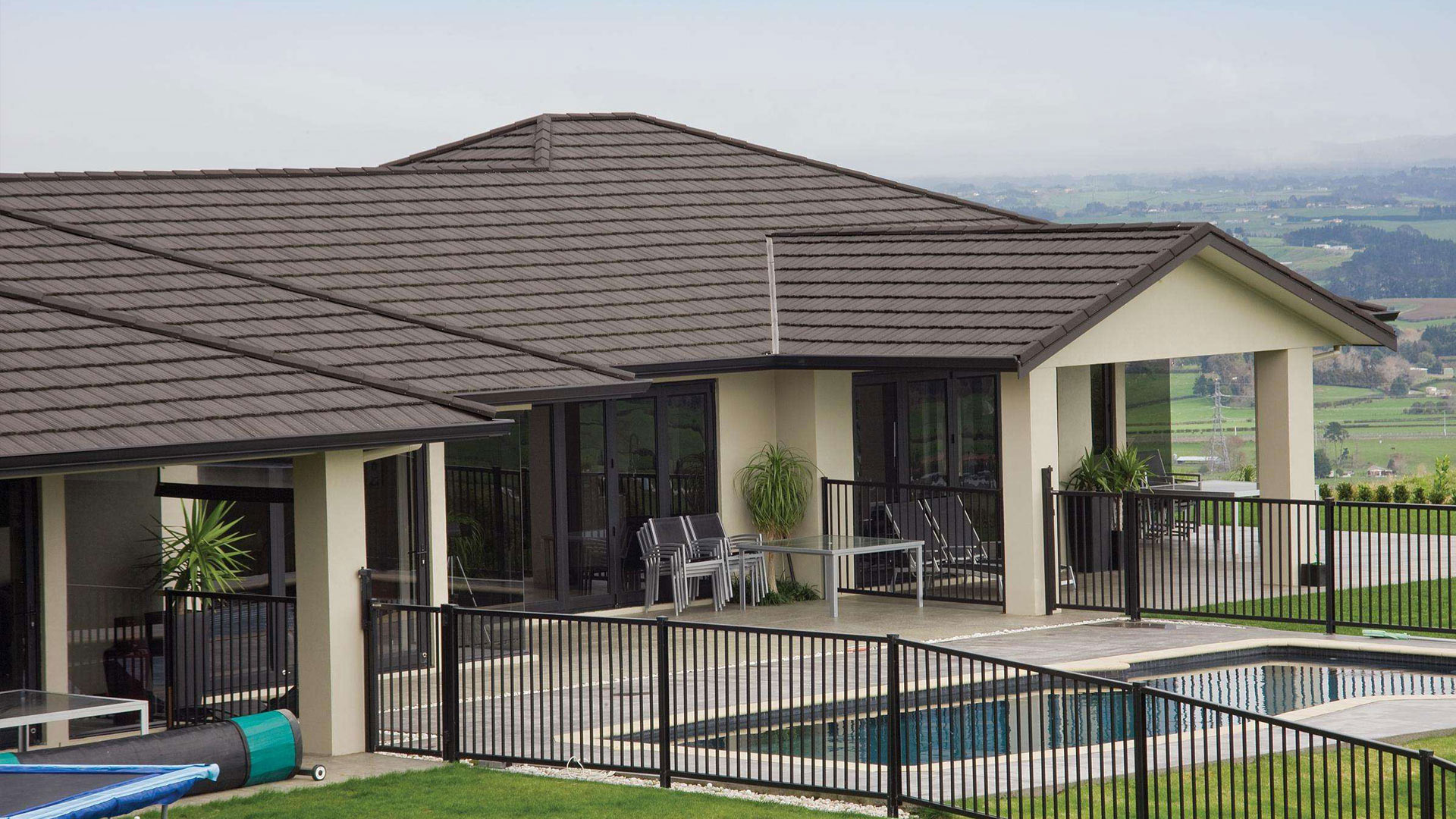
  屋面防水 roof waterproof
  地铁防水 Subway waterproof
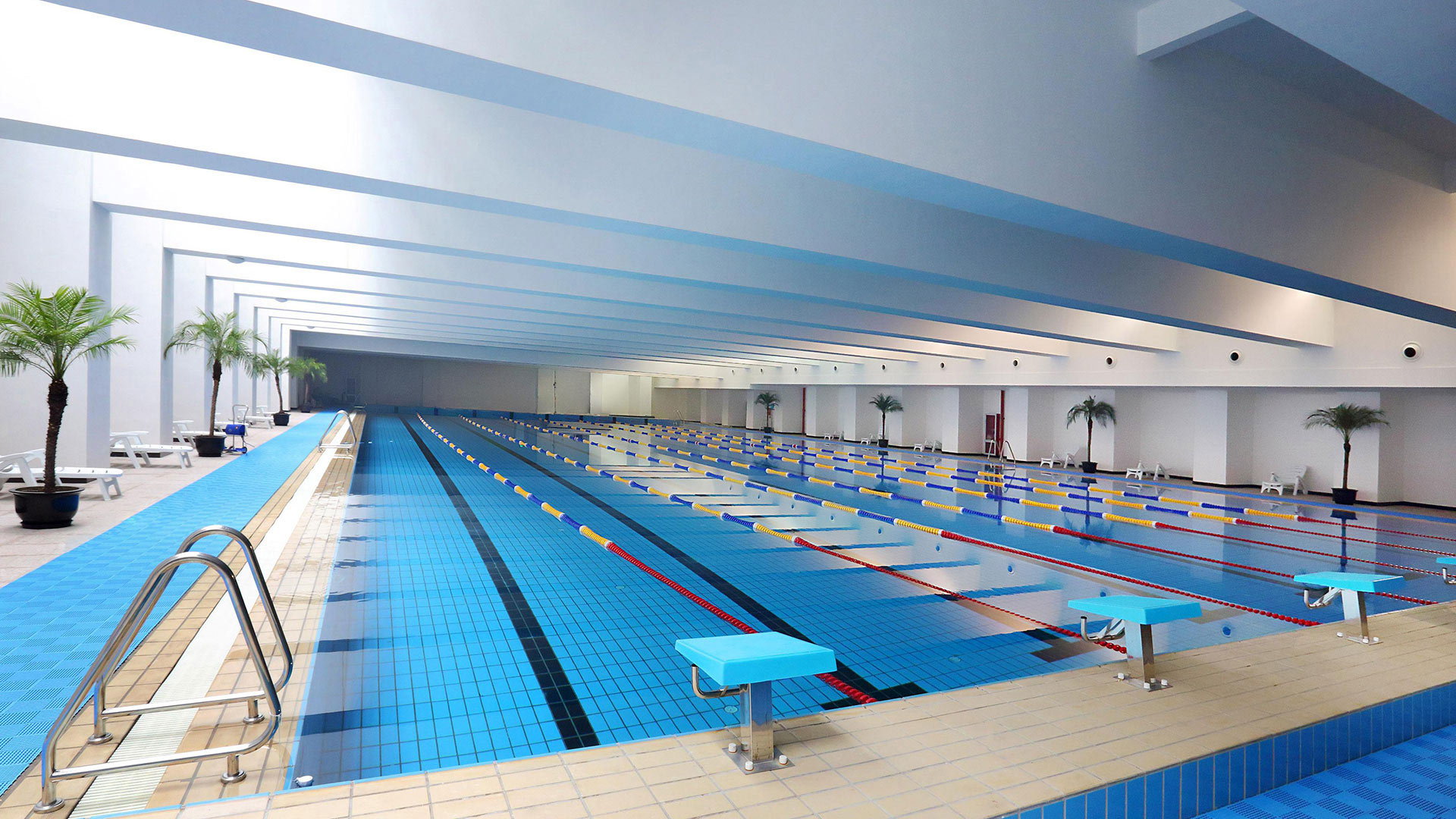
  游泳池防水 Water proof swimming pool
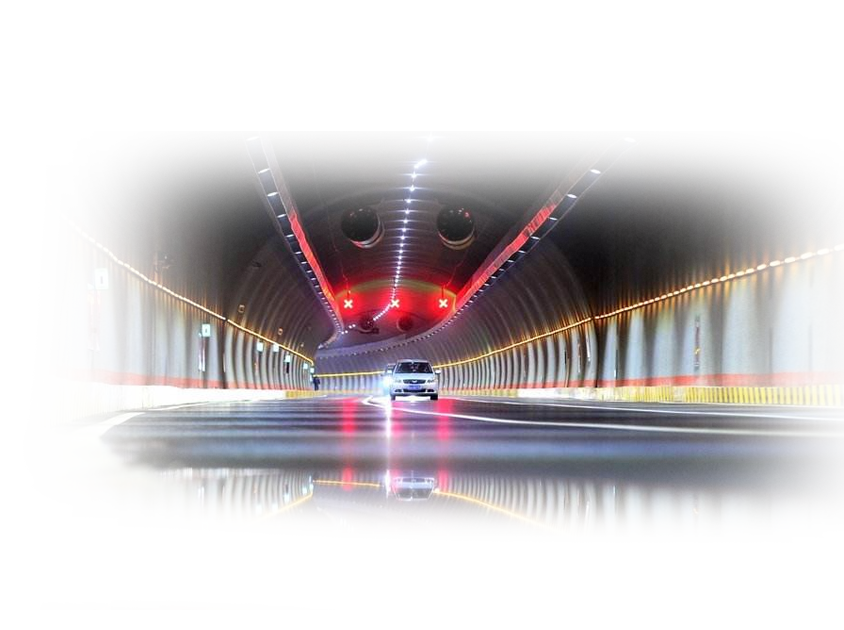
  隧道防水 Tunnel waterproofing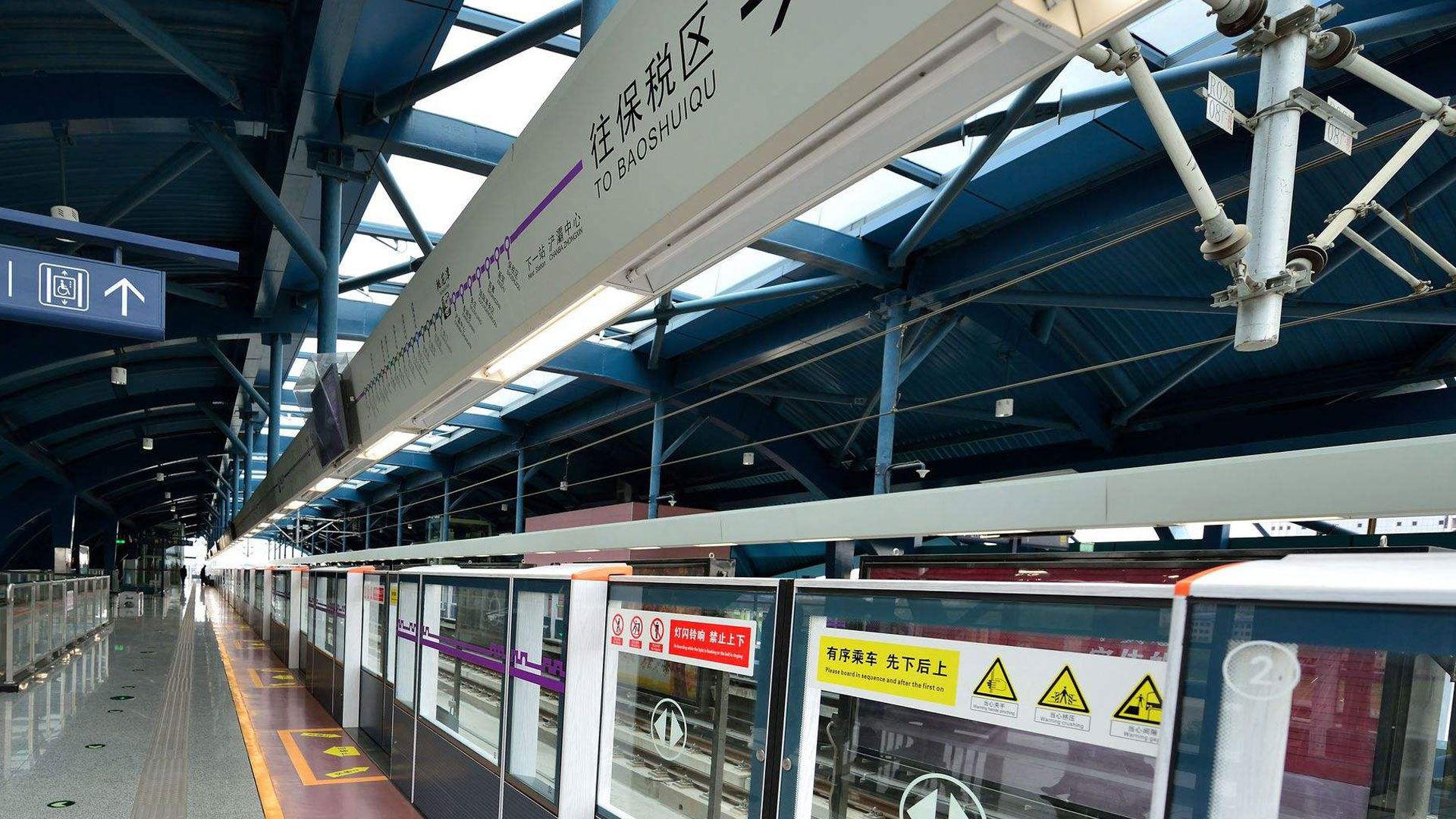


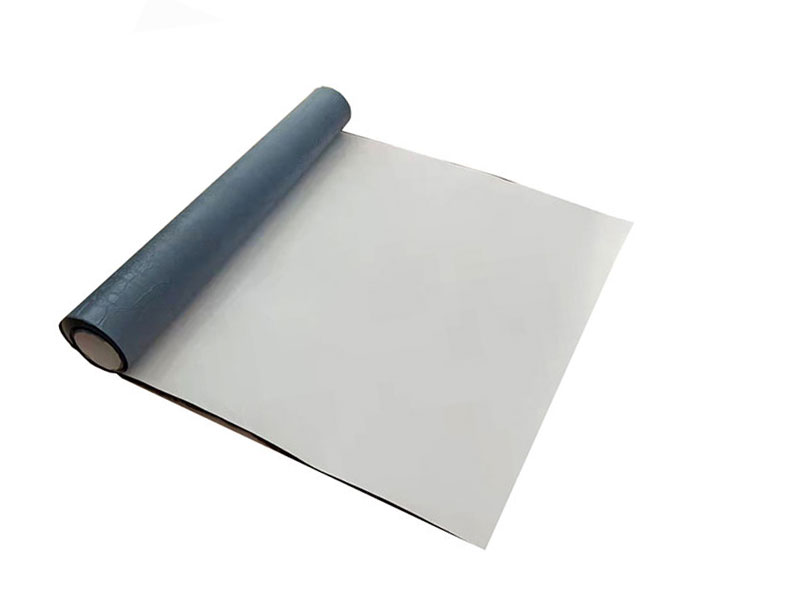
房屋不同空间防水涂料的选择技巧在房屋装修的过程中防水是一个很重要的环节,而防水可以通过四川防水涂料来实现,防水涂料可以起到很好的防水效果。这里需要注意的是,每个功能区域的防水需求都是不一样的,因此所需的防水材料也会有差异。今天小编就来和大家仔细聊一聊。1、卫生间防水防水···...
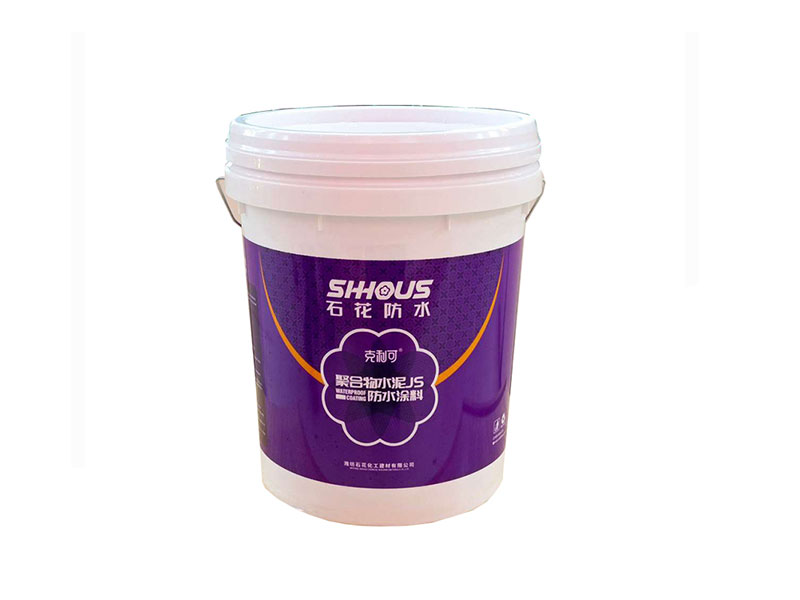
防水行业4月1日实施的这三个行业标准聚合物防水涂料是家装防水领域中用量较大的材料。在新建家装防水工程和渗漏维修工程中,聚合物防水涂料的用量占比均排在前列。根据工业和信息化部公告安博官方网站年第48号文件指示,2021年4月1日起,JC/T 1017—安博官方网站《建筑防水材料用聚合物···...
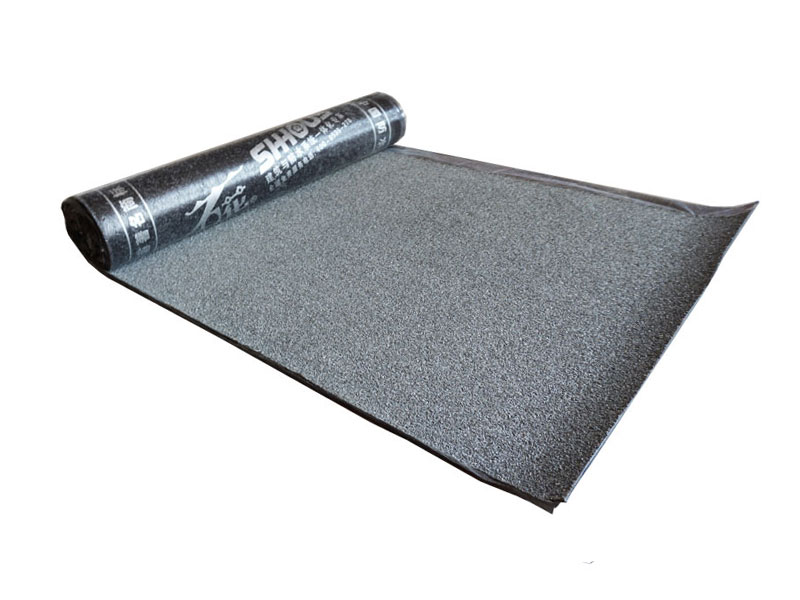
选购防水材料有哪些窍门?1、根据气候地域条件选材在选购防水材料时需要根据地情况进行选择,安博官方网站天气寒冷,比较多雨雪,可选择耐低温收缩的高分子材料。而安博官方网站通常雨水较多,应选择耐水性能出色的防水材料。2、选择环保性能出色的防水材料防水施工属于隐蔽工程,在施工完以后整改比···...
安博官方网站·(中国)责任有限公司
地 址:山东省潍坊寿光市化龙工业园
联系人:陈经理
手 机:15762572277
网 址:aishtma.com
地址:山东省潍坊寿光市化龙工业园
版权所有: 安博官方网站·(中国)责任有限公司